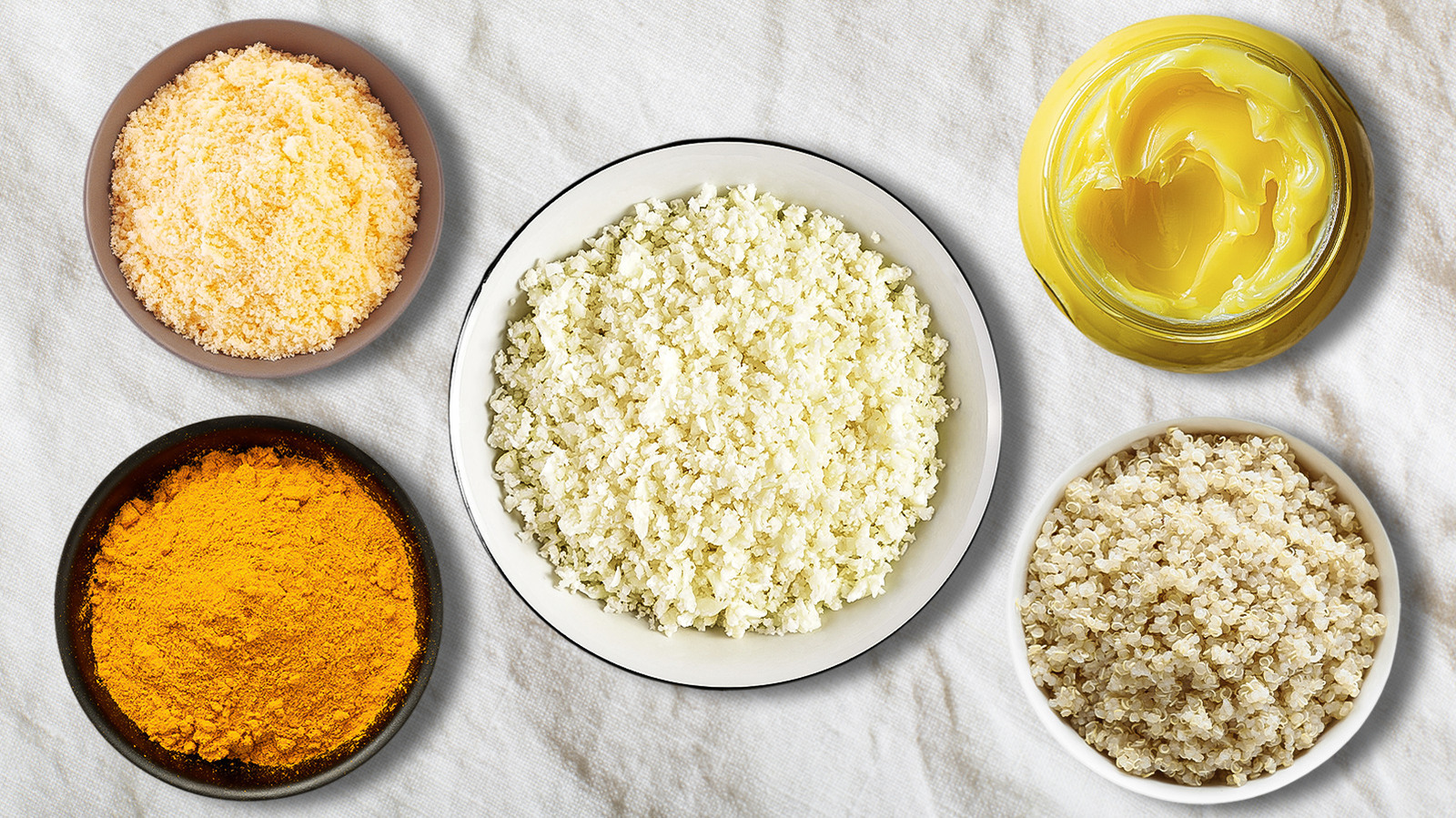
Unlock Flavor: Master Cauliflower Rice for Delicious Low-Carb Meals
For anyone navigating the world of low-carb living, cauliflower rice has emerged as a revolutionary staple. This versatile vegetable, finely chopped or grated to mimic the texture of traditional grains, offers a fantastic alternative to white rice, providing a significantly lower carbohydrate count without sacrificing the foundation of a delicious meal. Yet, despite its undeniable health benefits and incredible adaptability, many find cauliflower rice to be, well, a bit bland. It’s a common pitfall: expecting processed cauliflower to magically transform into a flavor-packed experience on its own. But what if we told you that your cauliflower rice doesn't have to be a flavorless canvas? It can, and should, be a vibrant, delicious component of your dish, capable of holding its own and even enhancing the flavors of your main course. The secret lies in treating cauliflower rice not just as a substitute, but as an ingredient with immense potential, ready to be elevated with simple yet powerful culinary techniques. This comprehensive guide will equip you with the knowledge and actionable tips to transform your cauliflower rice from merely a low-carb filler into a star side dish or a robust base for any meal. Get ready to unlock a world of flavor!The Low-Carb Revolution: Why Cauliflower Rice?
The rise in popularity of cauliflower rice is no accident. For those adhering to ketogenic, Paleo, or general low-carb diets, finding satisfying grain alternatives is crucial. Cauliflower rice steps into this role beautifully, offering a textural resemblance to traditional rice while being incredibly nutrient-dense. A single serving boasts essential vitamins like C and K, as well as folate, and is rich in fiber, promoting digestive health and satiety. Beyond its impressive nutritional profile, cauliflower rice shines in its versatility. It can be incorporated into almost any recipe that calls for regular rice – from stir-fries and curries to pilafs and poke bowls. Its mild flavor, while sometimes perceived as a drawback, is actually its superpower, allowing it to readily absorb and complement a wide array of seasonings and ingredients. However, this mildness also means it requires a thoughtful approach to cooking to truly shine. Gone are the days of simply steaming it and hoping for the best; mastering cauliflower rice means embracing intentional flavor building from the get-go.Beyond Bland: Essential Flavor Foundations for Cauliflower Rice
The journey to delicious cauliflower rice begins with understanding that flavor isn't inherent; it's built. Just like any other ingredient, cauliflower rice benefits immensely from proper seasoning and cooking techniques. Think of it as a blank canvas awaiting your culinary artistry.The Power of Fat
Perhaps the most crucial first step in infusing flavor into your cauliflower rice is incorporating a high-quality fat. Raw cauliflower contains virtually no fat, which is why it often tastes austere when cooked plain. Fat not only carries flavor but also contributes to a more satisfying mouthfeel. Aim for about one tablespoon of fat for every four cups of cauliflower rice. * Butter & Ghee: For a classic, rich flavor, butter is an excellent choice. Opt for grass-fed butter if available, as it typically offers a deeper, more complex taste. Ghee, a clarified butter commonly used in Indian cuisine, takes the richness up a notch. Its concentrated buttery flavor and higher smoke point make it perfect for sautéing, imparting a nutty, aromatic depth. * Oils: The world of oils offers diverse flavor profiles. Extra virgin olive oil lends its iconic grassy, peppery notes, making it an ideal companion for Mediterranean-inspired dishes. Coconut oil, on the other hand, introduces a subtle nutty sweetness, transporting your cauliflower rice to tropical realms. Pair it with a splash of full-fat coconut milk for an incredibly rich and fragrant side that beautifully complements Thai or other Southeast Asian curries and stir-fries. For a more neutral option with a high smoke point, consider avocado oil, which allows other flavors to shine through. Don't forget that cooking your chosen spices directly in the fat at the beginning of the process helps to bloom their flavors, creating an even more aromatic base for your cauliflower rice.Aromatic Allies: Herbs, Spices, and Beyond
Once you’ve established your fat foundation, it’s time to layer in aromatics. This is where your cauliflower rice truly comes alive. * Garlic and Onion: The fundamental building blocks of flavor in countless cuisines. Sautéing finely minced garlic and onion (or shallots) in your chosen fat before adding the cauliflower rice creates an incredibly fragrant base. Onion and garlic powder can also be used for convenience, though fresh typically yields a more vibrant flavor. * Fresh Herbs: A generous handful of fresh herbs can instantly brighten and lift your dish. Think chopped cilantro for Mexican or Asian-inspired meals, parsley for a fresh, clean note, chives for a delicate oniony touch, or dill for a hint of Mediterranean flair. Add these towards the end of cooking to preserve their vibrant color and flavor. * Dried Spices & Blends: The possibilities here are endless. Curry powder or garam masala can transform your cauliflower rice into an Indian-inspired delicacy. Cumin, chili powder, and smoked paprika lend themselves perfectly to a Tex-Mex or Spanish-style side. Turmeric not only adds a beautiful golden hue but also offers earthy notes and health benefits. Don't be afraid to experiment with spice blends like Italian seasoning, Cajun spice, or even a simple lemon-pepper blend. * Citrus & Acidity: A squeeze of fresh lemon or lime juice at the end of cooking can cut through richness and add a refreshing zing. A touch of citrus zest can also provide an intense burst of aromatic oils. * Umami Boosters: For a deeper, more savory profile, consider additions like a dash of soy sauce or tamari (for gluten-free), a spoonful of tomato paste, or even nutritional yeast for a cheesy, nutty flavor without dairy. These ingredients add a complex, satisfying depth that elevates the entire dish. For even more detailed strategies on infusing your riced cauliflower with incredible taste, explore Elevate Your Cauliflower Rice: Flavor Hacks Using Fat, Spices, and Grains.Texture Transformations: Making Cauliflower Rice More Than Just "Riced" Veggie
While flavor is paramount, texture also plays a significant role in creating a truly satisfying cauliflower rice dish. The cooking method significantly impacts the final consistency, and sometimes, a little creative blending can work wonders.The Art of the Blend: Cauliflower Rice with Grains
Who says you have to go 100% cauliflower rice all the time? Mixing cauliflower rice with your grain of choice is a brilliant strategy for boosting both flavor and texture. This approach is particularly useful if you're transitioning to lower-carb eating or simply want to introduce more nutrients and variety. * Jasmine or Basmati Rice: Blending with fragrant grains like jasmine or basmati rice masks any subtle cruciferous notes of the cauliflower, infusing the dish with their delicate floral or nutty aromas. This combination is fantastic with curries, stir-fries, or even as a base for a gourmet poke bowl. * Other Grains: Don't limit yourself to white rice! Quinoa offers a protein boost and a delightful chew, while brown rice adds fiber and a nuttier flavor. For a more unique twist, try mixing with farro or even lentils for an earthy, wholesome side. * Mixing Ratios: You can adjust the ratio to suit your dietary needs. If you're aiming for significantly lower carbs, use more cauliflower rice. For a balanced approach, equal parts often work well. * Cooking Separately: Remember that cauliflower rice cooks much faster than most grains (typically 5-10 minutes, longer for frozen). It's usually best to cook the grain separately according to its package instructions, then gently fold in the cooked cauliflower rice towards the end or mix them together just before serving.Beyond Sauteing: Roasting, Mashing, and More
Sautéing is a popular method for cauliflower rice, but it's not the only way to achieve incredible results. Different cooking techniques can yield distinct textures and flavors. * Roasting: For a deeper flavor and delightful crispiness, try roasting your cauliflower rice. Toss it with oil and your desired seasonings, then spread it in a single layer on a baking sheet. Roast at a high temperature (around 400°F / 200°C) for 15-20 minutes, stirring halfway, until golden brown and slightly caramelized. This method brings out its natural sweetness and creates a wonderful chew. * Mashing: For a creamy, comforting alternative to mashed potatoes, steam or boil your cauliflower rice until very tender. Drain thoroughly, then mash with a potato masher or immersion blender, adding butter, cream cheese, or a splash of cream, along with salt, pepper, and garlic powder, for a rich and satisfying side. * Air Frying: Similar to roasting, air frying offers an even quicker way to achieve crispy, golden cauliflower rice. Toss with a little oil and seasonings, then air fry at 375°F (190°C) for 10-15 minutes, shaking the basket frequently.DIY Cauliflower Rice: Save Big, Taste Better
While pre-riced cauliflower is convenient, making your own at home offers significant savings and allows you complete control over texture. It’s a surprisingly quick and easy process, and once you master it, you'll wonder why you ever bought it pre-packaged.Tools of the Trade for Homemade Perfection
* Food Processor: This is arguably the fastest and easiest method. Simply chop a head of cauliflower into florets, place them in your food processor (don't overfill the bowl!), and pulse in 2-second bursts until the cauliflower resembles grains of rice. The key is to check frequently and avoid over-processing, which can lead to a mushy consistency at the bottom and larger chunks on top. Aim for uniform "rice-like" bits. * Box Grater: A low-tech, yet effective solution. Use the largest holes on your box grater to shred cauliflower florets directly into "rice." This method requires a bit more elbow grease but offers excellent control over texture. * Blender: If you don't have a food processor, a high-powered blender can work. Add florets in small batches with a splash of water, then use the pulse setting. Be very careful not to blend into a puree! * Knife: For the truly dedicated or those without specialized equipment, a sharp chef's knife can be used to finely mince cauliflower florets. This is the most time-consuming method but offers ultimate precision. If you're ready to embrace the savings and control of making your own, be sure to check out our detailed guide on DIY Cauliflower Rice: Quick, Easy, and Budget-Friendly Low-Carb Swaps for step-by-step instructions and more money-saving tips.Recipe Inspiration: Putting it All Together
Now that you have the foundational knowledge, let's look at a few ways to put these tips into practice and create truly delicious cauliflower rice dishes.Tropical Coconut Cauliflower Rice
Inspired by Southeast Asian flavors, this vibrant dish pairs wonderfully with grilled fish or chicken satay.
- Sauté 1 tbsp coconut oil with minced garlic and ginger.
- Add 4 cups cauliflower rice, cook for 5-7 minutes.
- Stir in 1/2 cup full-fat coconut milk, a squeeze of lime juice, and a pinch of red pepper flakes.
- Season with salt and garnish with fresh cilantro.
Mediterranean Lemon Herb Cauliflower Rice
A bright, fresh side that complements lamb, chicken, or white fish.
- Sauté 1 tbsp extra virgin olive oil with minced garlic.
- Add 4 cups cauliflower rice, cook for 7-10 minutes.
- Stir in lemon zest, a generous squeeze of lemon juice, chopped fresh parsley, and dried oregano.
- Season with salt and black pepper.
Spicy Asian-Inspired Cauliflower Rice
Perfect for stir-fries or as a base for a deconstructed sushi bowl.
- Heat 1 tbsp sesame oil in a wok or large pan. Add minced garlic, ginger, and a pinch of chili flakes.
- Add 4 cups cauliflower rice and cook, stirring frequently, for 7-10 minutes until tender-crisp.
- Stir in 2 tbsp soy sauce or tamari, a dash of rice vinegar, and a sprinkle of sesame seeds.
- Garnish with chopped green onions.
