Unlock the Delicious Potential of Cauliflower Rice
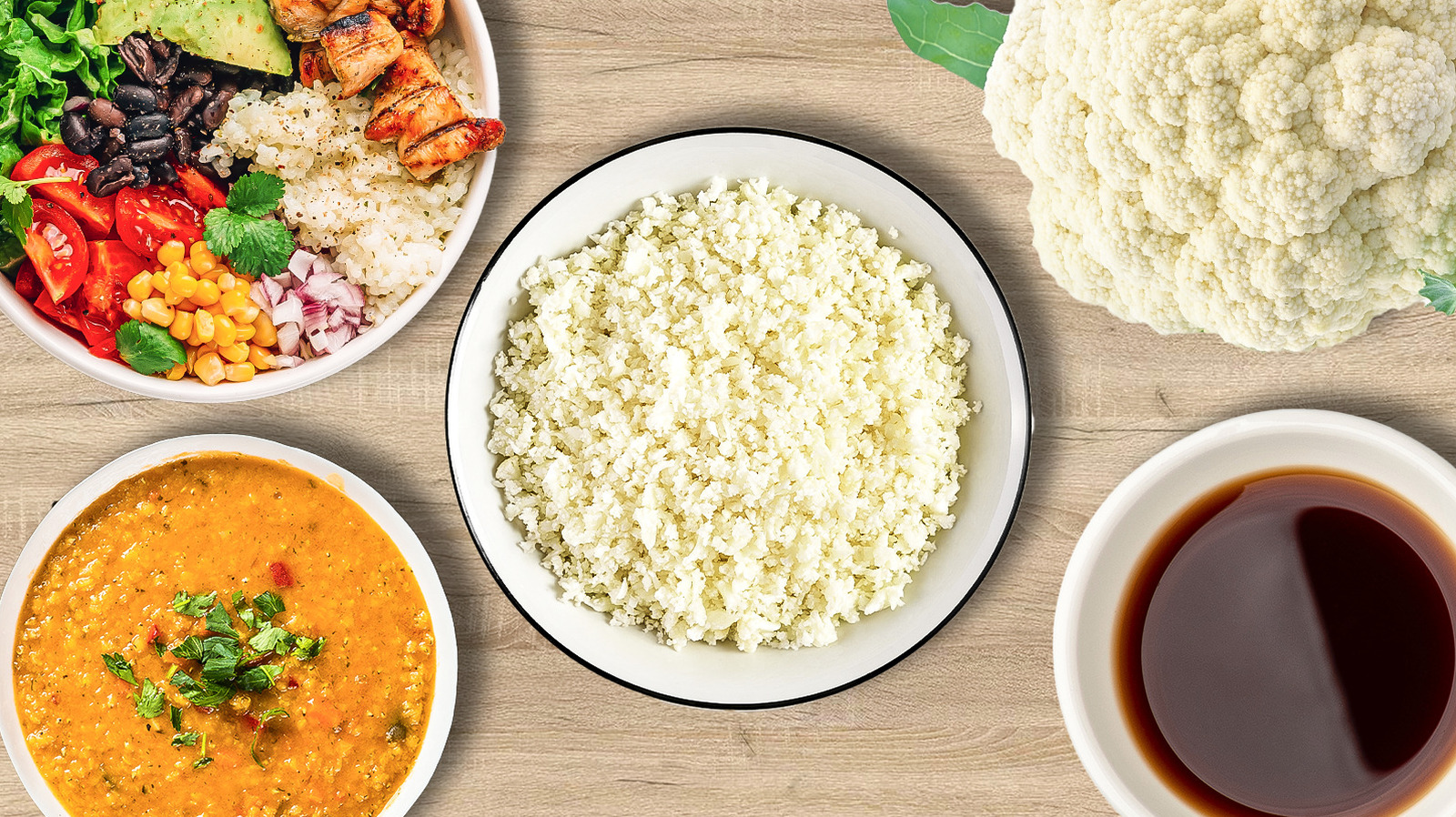
Once considered a niche ingredient, cauliflower rice has soared in popularity as a versatile, low-carb alternative to traditional grains. For those seeking to reduce carbohydrate intake or simply incorporate more vegetables into their diet, riced cauliflower offers an excellent substitute for everything from pilafs to stir-fries. However, its natural blandness can be a major hurdle. Without thoughtful additions and clever cooking techniques, cauliflower rice can quickly become a disappointing, uninspired side dish.
The good news? Transforming this humble cruciferous vegetable into a flavorful, satisfying component of your meal is not only possible but surprisingly simple. The secret lies in understanding how to infuse it with robust tastes and appealing textures, much like you would elevate plain white rice. This article will guide you through powerful flavor hacks, focusing on the transformative roles of fat, spices, and even strategic grain integration, ensuring your cauliflower rice dishes are anything but boring.
The Foundational Flavor: Harnessing the Power of Fat
One of the primary reasons cauliflower rice often falls flat is its near-absence of fat. Unlike traditional grains that can absorb and carry flavors, plain cauliflower offers little in the way of richness. This makes fat your first and most crucial ally in the quest for delicious cauliflower rice.
- Butter & Ghee: A single tablespoon of butter or ghee per four cups of cauliflower rice can work wonders. Simply sautéing the rice in your fat of choice for five to ten minutes (adding a few extra minutes for frozen varieties) allows each 'grain' to be coated and infused. Grass-fed butter delivers a richer, more complex flavor than conventional butter. For an even more intense buttery note, consider ghee, a clarified butter common in Indian cuisine, known for its concentrated, nutty aroma.
- Versatile Oils: The world of oils offers a spectrum of flavors to complement any dish.
- Extra Virgin Olive Oil (EVOO): With its iconic grassy and peppery notes, EVOO is perfect for Mediterranean-inspired meals, pairing beautifully with grilled fish, roasted vegetables, or lemon-herb chicken.
- Coconut Oil: If you're leaning towards Asian or tropical flavors, coconut oil introduces a distinct nutty sweetness. Pair it with a splash of full-fat coconut milk while cooking, and suddenly your cauliflower rice transforms into a creamy, fragrant side dish that complements Thai curries, Southeast Asian stir-fries, or even a simple grilled pineapple.
- Avocado Oil: For a more neutral base that still provides healthy fats, avocado oil is an excellent choice. It has a high smoke point, making it suitable for sautéing, and won't overpower delicate flavors.
- Sesame Oil: A drizzle of toasted sesame oil at the end of cooking can impart a powerful, aromatic finish to Asian-inspired cauliflower rice.
Elevate with Aromatics and Spices: A World of Taste
Once you've established a flavorful fat base, the next step is to unleash the potential of spices, herbs, and aromatics. These ingredients are the soul of any dish, and they can dramatically transform your cauliflower rice from bland to brilliant.
- Garlic & Onion: These classic aromatics are a non-negotiable starting point for most savory dishes. Sautéing finely minced garlic and onion (or shallots for a milder flavor) in your chosen fat before adding the cauliflower rice builds an immediate layer of depth. Garlic powder and onion powder are good pantry staples for a quick flavor boost.
- Global Spice Blends: Think beyond salt and pepper.
- Indian-Inspired: Turmeric for earthy warmth and vibrant color, cumin for a pungent, nutty note, and a touch of garam masala for a complex, aromatic finish. Add a handful of fresh cilantro at the end.
- Mexican Fiesta: Chili powder, smoked paprika, cumin, and a pinch of oregano create a robust flavor profile perfect for tacos, burritos, or as a base for chili. Finish with fresh lime juice and cilantro.
- Mediterranean Medley: Dried oregano, basil, thyme, and a hint of red pepper flakes bring the sunny flavors of the Mediterranean to life.
- Asian Accents: Ginger, garlic, a splash of soy sauce (or tamari for gluten-free) and a pinch of white pepper can recreate the essence of a fried rice dish.
- Fresh Herbs: Don't underestimate the power of fresh herbs added at the end of cooking. Parsley, cilantro, chives, dill, or mint can provide a burst of freshness, color, and a final aromatic flourish.
- Umami Boosters: For an extra layer of savory depth, consider adding a pinch of nutritional yeast, a dash of mushroom powder, or a splash of tamari/soy sauce during the cooking process.
Embrace the Blend: Integrating Grains for Texture and Taste
While the goal of cauliflower rice is often to be a low-carb alternative, there's no rule saying it has to fly solo. Blending it with your grain of choice is a fantastic way to introduce new textures, absorb excess moisture, and enhance overall flavor without completely sacrificing your low-carb efforts. This strategy allows you to enjoy the best of both worlds – the healthy benefits of cauliflower with the familiar satisfaction of grains.
The beauty of blending is its flexibility. You can experiment with ratios based on your dietary needs or preferences, opting for less of the grain if you're strictly managing carbohydrate intake. A common starting point is an equal 1:1 ratio of cauliflower rice to cooked grain, which provides a balanced texture and flavor profile. However, it's crucial to remember that cauliflower rice and most grains have different cooking times. For best results, cook your chosen grain separately and then gently fold it into the cooked cauliflower rice just before serving.
- Jasmine Rice: Known for its fragrant scent and subtle floral flavor, jasmine rice can beautifully mask any lingering cruciferous notes of cauliflower. This blend is an ideal companion for aromatic curries, vibrant stir-fries, or even a fresh poke bowl.
- Quinoa: For a significant boost of protein, a pleasant nutty flavor, and a satisfying chewy texture, quinoa is an excellent choice. Its earthy notes complement the mildness of cauliflower rice, making it a wholesome and filling option.
- Brown Rice: Offering more fiber and a chewier texture than white rice, brown rice brings a hearty, nutty flavor that pairs well with a variety of dishes, from stews to roasted vegetables.
- Wild Rice: For a more gourmet touch, blend in some wild rice. Its distinctive earthy flavor and firm texture add an elegant dimension, perfect for autumnal dishes or alongside game meats.
- Orzo or Couscous: For a different kind of "grain" experience, consider tiny pasta shapes like orzo or couscous. These absorb flavors beautifully and add a soft, comforting texture that can make your cauliflower rice feel more substantial.
Beyond the Basics: Advanced Tips for Cauliflower Rice Excellence
To truly elevate your cauliflower rice, consider these additional techniques that go beyond simple sautéing:
- Roast It Up: Don't limit yourself to the stovetop. Roasting cauliflower rice in the oven at a high temperature (around 400°F/200°C) for 15-20 minutes, spread thinly on a baking sheet, can yield a wonderfully nutty flavor and a slightly browned, drier texture. This prevents the sometimes-mushy texture associated with steaming or over-sautéing. Toss with oil and your favorite spices before roasting.
- Make it Creamy: For a different mouthfeel, you can take cooked cauliflower rice and, using an immersion blender or potato masher, create a creamier, "mashed cauliflower" consistency. This is fantastic when mixed with a bit of cream cheese, parmesan, or a splash of heavy cream for a rich side dish.
- Brighten with Acid: A squeeze of fresh lemon or lime juice at the end of cooking can cut through richness and brighten all the flavors in your dish, adding a zesty finish.
- Garnish Generously: Don't forget the finishing touches! Toasted nuts (almonds, cashews, pine nuts), seeds (sesame, sunflower), fresh scallions, or crispy fried shallots add crucial texture and visual appeal.
Conclusion
Cauliflower rice, by itself, may be a culinary blank canvas, but it’s far from boring when treated with intention. By understanding and applying the principles of flavor-building—starting with the essential role of fat, moving to the vibrant world of spices and aromatics, and embracing the textural and taste benefits of blending with grains—you can transform this healthy staple into a truly delicious and satisfying component of any meal. Don't be afraid to experiment, combine techniques, and personalize recipes to discover your favorite way to enjoy cauliflower rice. With these flavor hacks, your low-carb journey just got a whole lot tastier.
