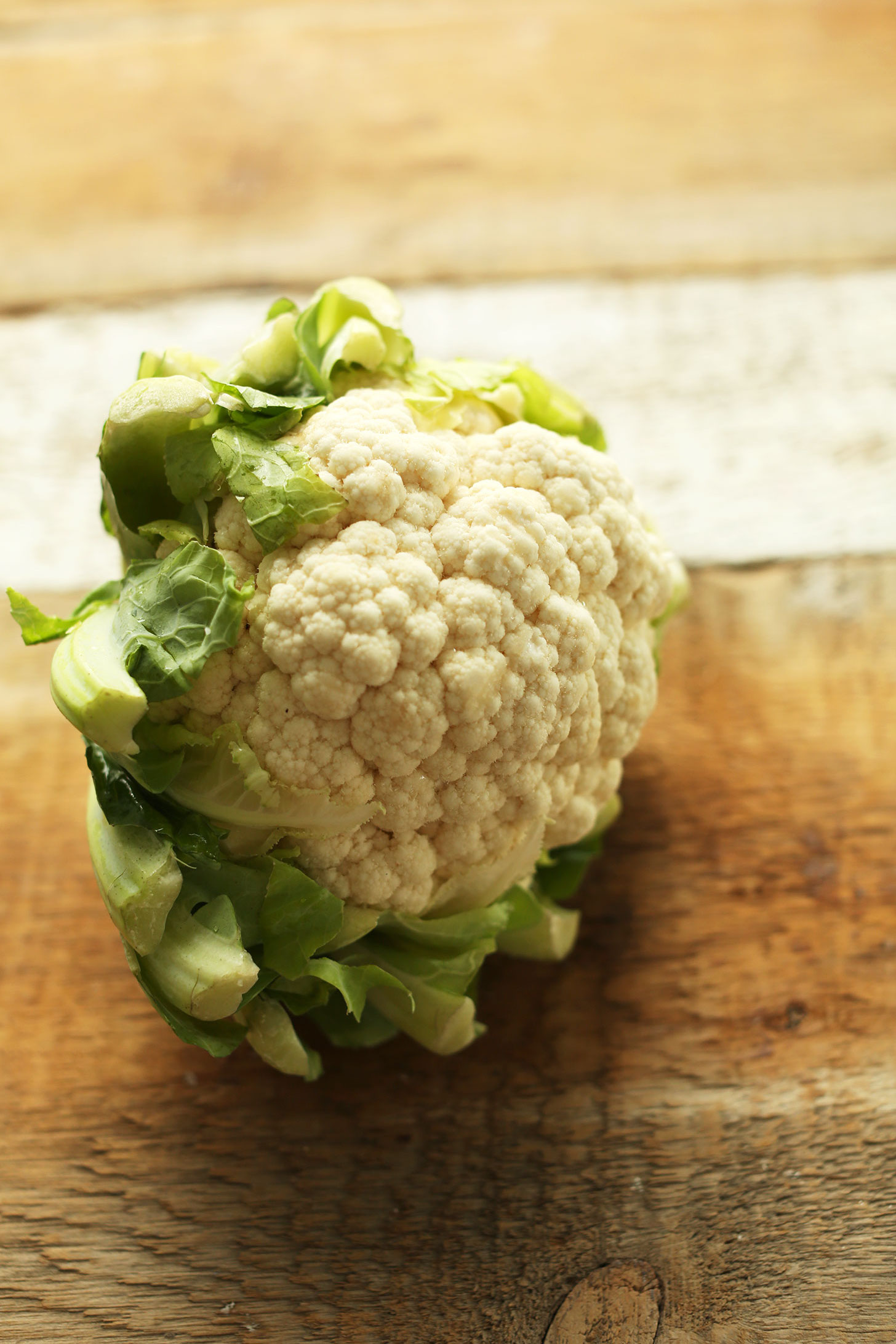
In the quest for healthier, more versatile, and budget-friendly meal alternatives, cauliflower rice has emerged as a true culinary champion. Once seen as a niche ingredient for low-carb enthusiasts, this humble vegetable, when riced, has soared in popularity, offering a fantastic substitute for traditional grains like white rice. However, the secret to truly embracing cauliflower rice isn't just in its low-carb benefits; it's in making it taste absolutely delicious.
Many first-timers might find unseasoned cauliflower rice a bit, well, bland. After all, it's essentially just cauliflower processed into small, rice-like pieces. But don't let that deter you! With a few simple techniques and some creative flavor enhancements, DIY cauliflower rice can be a delightful and satisfying addition to countless meals. The best part? Making it yourself is incredibly quick, easy, and significantly cheaper than buying pre-packaged versions. Let's dive into how you can master this low-carb swap at home and transform your plate.
Why DIY Cauliflower Rice is a Game-Changer for Your Kitchen
Before we get to the how-to, let's explore the compelling reasons why making your own cauliflower rice is a move you won't regret:
- Significant Cost Savings: Pre-riced cauliflower at the grocery store often comes with a premium price tag. A whole head of cauliflower is usually far more economical and yields a larger quantity of rice, saving you big bucks in the long run.
- Unbeatable Freshness and Quality Control: When you rice your own cauliflower, you control the freshness. You can pick a vibrant, firm head of cauliflower, ensuring the best taste and texture. Plus, there are no hidden preservatives or additives, just pure, wholesome vegetable goodness.
- Customizable Texture: Do you prefer a finer grain, or something with a bit more bite? DIY allows you to dictate the texture. Store-bought versions are often uniformly processed, limiting your options.
- Health Benefits Galore: Beyond being a superb low-carb alternative, cauliflower is packed with nutrients. It's rich in fiber, vitamins C and K, and various antioxidants, contributing to overall well-being without the carb load of traditional rice.
- Versatility for Any Dish: From pilafs and stir-fries to burrito bowls and as a base for saucy mains, cauliflower rice seamlessly integrates into a vast array of recipes, making it a staple for anyone looking to lighten up their meals.
Essential Tools & Techniques for Perfect DIY Cauliflower Rice
Making your own cauliflower rice is surprisingly straightforward. You don't need fancy equipment, and the process is remarkably quick. Here are the most popular methods:
The Food Processor: Quickest & Easiest
This is by far the fastest and most efficient way to make cauliflower rice, turning a whole head into perfect grains in seconds.
- Preparation: Wash the cauliflower head and pat it dry. Remove the green leaves and core. Cut the florets into roughly 1-2 inch pieces. This ensures even processing.
- The "Pulse" Technique: Place a handful or two of florets into your food processor's work bowl. Do not overfill, as this can lead to uneven results (mushy bottom, large chunks on top). Secure the lid and use the "pulse" setting.
- Monitor Texture: Pulse in short bursts (2-3 seconds at a time), checking the texture frequently. You're aiming for pieces roughly the size of a grain of rice. Stop as soon as you reach your desired consistency to avoid turning it into cauliflower puree. This usually takes only 5-10 pulses per batch.
- Repeat: Empty the processed cauliflower into a bowl and repeat with the remaining florets until all are riced.
The Box Grater: Low-Tech & Effective
If you don't have a food processor, a standard box grater works wonderfully, though it requires a bit more elbow grease.
- Preparation: Cut the cauliflower into large, manageable pieces.
- Grating: Use the side of the grater with the smallest holes (typically the side you'd use for cheese or potatoes). Grate the cauliflower pieces over a bowl.
- Considerations: This method is more labor-intensive and can be a bit messy, but it yields perfectly sized grains and requires no special appliances.
The Blender (with Caution)
While not ideal, a high-powered blender can work for smaller batches. The key is extreme caution to avoid over-processing.
- Small Batches: Place only a very small amount of florets into the blender.
- Pulse, Pulse, Pulse: Use the pulse setting very sparingly, checking after each pulse. It's very easy to create a smoothie rather than rice.
Elevating the Flavor: Beyond Basic Cauliflower Rice
The secret to transforming cauliflower rice from a humble side dish into a crave-worthy component of your meal lies in how you cook and season it. It's all about building flavor, just as you would with traditional rice, but with a low-carb twist.
The Golden Rule: Embrace Healthy Fats
Cauliflower itself is extremely low in fat, which means it relies on added fats to carry and deepen its flavor. This is where the magic truly begins. A single tablespoon of fat per 4 cups of cauliflower rice typically does the trick.
- Butter or Ghee: For a rich, savory base, butter is a fantastic choice. Grass-fed butter offers an even deeper, more complex flavor. Ghee, a clarified butter popular in Indian cuisine, takes the buttery notes to an even more concentrated level, imparting a wonderfully nutty aroma.
- Olive Oil: Extra virgin olive oil lends its distinct fruity and peppery notes, making it perfect for Mediterranean-inspired dishes.
- Coconut Oil: For a subtle, nutty, and slightly sweet undertone, coconut oil is an excellent option. Pair it with a splash of full-fat coconut milk while cooking, and you've got a tropical-flavored base that sings with Thai curries or other Southeast Asian fare.
The cooking process is simple: Melt your fat of choice in a large skillet over medium heat, add the riced cauliflower, and sauté for 5 to 10 minutes. If using frozen cauliflower rice, extend the cooking time slightly to allow excess moisture to evaporate. For even more detailed guidance on leveraging fats and other ingredients, explore Elevate Your Cauliflower Rice: Flavor Hacks Using Fat, Spices, and Grains.
Spices, Herbs, and Aromatics: Your Flavor Palette
This is where you can truly customize your cauliflower rice to complement any cuisine. Think beyond just salt and pepper:
- Classic Combos: Sauté minced garlic and diced onion in your chosen fat before adding the cauliflower rice for an aromatic foundation.
- Spice it Up: Add a pinch of turmeric for color and earthy flavor, cumin for a smoky depth, paprika for a sweet warmth, or a dash of chili flakes for a kick.
- Herbal Freshness: Stir in fresh chopped parsley, cilantro, dill, or chives at the very end for a burst of vibrant flavor. Dried herbs like Italian seasoning or dried oregano also work well during cooking.
- Broth Power: Instead of cooking with just water, use chicken or vegetable broth for an added layer of savory goodness.
- A Hint of Acid: A squeeze of fresh lemon or lime juice just before serving brightens the flavors and adds a refreshing tang.
Mixing with Grains: The Best of Both Worlds
If your nutritional needs allow, combining cauliflower rice with a traditional grain can offer an incredible boost in flavor, texture, and satiety. This strategy allows you to reduce your overall carbohydrate intake without sacrificing the comforting appeal of your favorite grains.
- Jasmine Rice: Its fragrant aroma and subtle floral notes can beautifully mask the cruciferous scent of cauliflower, creating a delightful base for curries, stir-fries, or poke bowls.
- Quinoa: For an added protein punch and a nutty, chewy texture, mix in some cooked quinoa.
- Brown Rice or Farro: These grains offer more fiber and a heartier texture.
Pro Tip: Grains and cauliflower rice have different cooking times, so it’s generally best to cook them separately and then combine them. You can blend them in whatever ratio you prefer – from equal parts to a higher proportion of cauliflower rice if you're aiming for a lower carb count. This technique is a fantastic way to ease into a lower-carb lifestyle while still enjoying familiar textures. Discover more ways to master this versatile ingredient in Unlock Flavor: Master Cauliflower Rice for Delicious Low-Carb Meals.
Storing Your DIY Cauliflower Rice for Future Meals
One of the great advantages of making your own cauliflower rice is the ability to prepare it in advance, making meal prep a breeze.
- Refrigeration: Freshly riced (uncooked) cauliflower can be stored in an airtight container in the refrigerator for up to 3-4 days. Cooked cauliflower rice will last similarly.
- Freezing Raw Cauliflower Rice: For longer storage, spread the raw cauliflower rice in a single layer on a baking sheet lined with parchment paper. Freeze for an hour or two until solid, then transfer to a freezer-safe bag or container. This prevents it from clumping together, allowing you to easily grab just what you need. It can be frozen for up to 3 months. Cook directly from frozen, adding a few extra minutes to the cooking time.
- Freezing Cooked Cauliflower Rice: You can also freeze cooked and seasoned cauliflower rice. Allow it to cool completely before portioning into freezer-safe containers or bags. Thaw in the refrigerator overnight or reheat directly from frozen in a skillet or microwave.
Conclusion
DIY cauliflower rice is more than just a passing food trend; it's a culinary staple that offers immense value in terms of health, versatility, and budget-friendliness. By taking a few minutes to rice your own cauliflower and experimenting with the myriad of flavor combinations, you can transform a plain vegetable into a delectable, low-carb foundation for countless meals. Say goodbye to bland, disappointing cauliflower rice and hello to a quick, easy, and incredibly flavorful swap that will tantalize your taste buds and support your healthy eating goals.
